
Artificial Intelligence and the consulting industry
Artificial intelligence is reshaping the consulting industry. Tools that once felt experimental are now embedded in everyday workflows, from research and analytics to presentation building and scenario modeling. For large strategy firms like McKinsey, BCG, and Bain, this shift is not incremental, it challenges the very foundation of their traditional operating model.
For clients, this raises an important question: if AI can do so much of the analytical work, what is the real value of a human consultant today? And why would you still hire consultants if AI can craft a strategy too?
The answer is not that consultants are becoming obsolete. On the contrary, their role is becoming more human, more senior, and more strategic than ever before.
When AI does the analysis, what happens to the consulting pyramid?
For decades, consulting firms relied on large teams of junior analysts to produce insights. These teams gathered data, built models, summarized research, and translated it into slides. AI now performs much of this work faster and at a fraction of the cost.
Market analysis, benchmarking, desk research, financial projections, and even early-stage strategic options can be generated by AI tools in hours rather than weeks. This reduces the need for large junior-heavy teams.
As a result, the classic consulting pyramid, many juniors supported by a single senior expert, is starting to crack. Fewer junior roles are needed, and the remaining ones require different skills. The focus shifts away from manual execution toward interpretation, critical thinking, and judgment.
This change elevates the role of senior consultants. When AI produces the analysis, the real value lies in asking the right questions, challenging assumptions, and deciding what actually matters. Strategy becomes less about producing information and more about making sense of it.
In other words, AI does not replace thinking, it exposes where thinking truly happens.
The limits of AI: why strategy still needs humans
Despite its capabilities, AI remains limited. It can analyze patterns, generate options, and calculate probabilities, but strategy is rarely a purely rational exercise.
Organizations are made of people. Decisions are shaped by incentives, emotions, power dynamics, culture, and fear of change. AI cannot sit in a room and ensure that everyone is heard. It cannot align conflicting perspectives or help teams move forward when consensus is uncomfortable.
This is where human consultants add irreplaceable value.
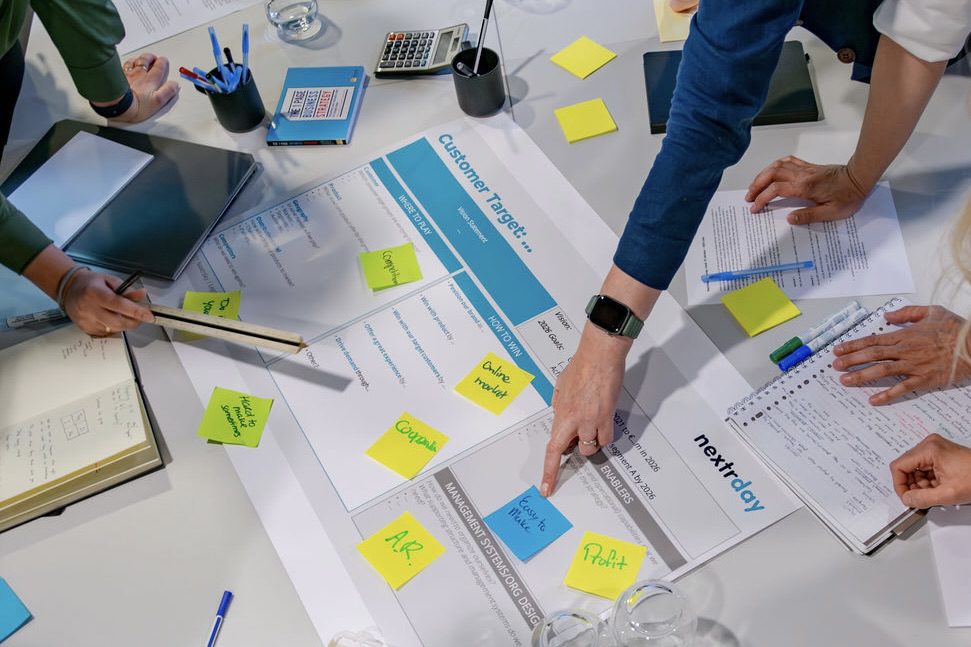
A strong consultant does more than deliver insights. They guide the entire strategic journey: facilitating interactive discussions, aligning stakeholders, keeping projects on track, and ensuring that teams do not retreat into silos or pursue only their own agendas. They help leaders make decisions, not just optimal ones on paper, but ones the organization can actually commit to and execute.
AI may propose options, but humans decide which path to take. AI may calculate risks, but humans define what success truly means. Strategy is not only about what is most likely to work, but also about what an organization wants to become, a great consultant can inspire to be ambitious and think outside the box.
There is also a critical governance role. AI outputs must be challenged, checked, and contextualized. Left unchecked, AI often produces generic ideas, the same frameworks, strategies, and answers everyone else receives. As a business wanting to scale and differentiate, this is the opposite of what you want. Without human judgment, differentiation disappears.
The future of strategy consulting: boutique, human, and AI-enabled
The future of strategy consulting is not about rejecting AI, it is about using it wisely. The most effective firms combine advanced analytics with human expertise.
This is where boutique consulting models gain strength. Instead of large, layered teams, boutique firms work closely with clients, led by experienced consultants who remain involved throughout the entire project. AI supports the work by accelerating research, enhancing analytics, and testing scenarios, but it does not replace human vision.
In this model, consultants use AI to inform decisions, not to outsource thinking. Data and models are tools, not answers. Human intuition, experience, and creativity remain central. This approach and experience is also what we at Nextrday bring to our clients in order to provide the best service.
This method allows consultants to look beyond what AI can calculate. Not every strategic decision has to be optimized purely on probability or short-term metrics. Sometimes the most important question is not “what is most likely to succeed?” but “what do we want to stand for?”. A purpose and value proposition are crucial to long-term success.
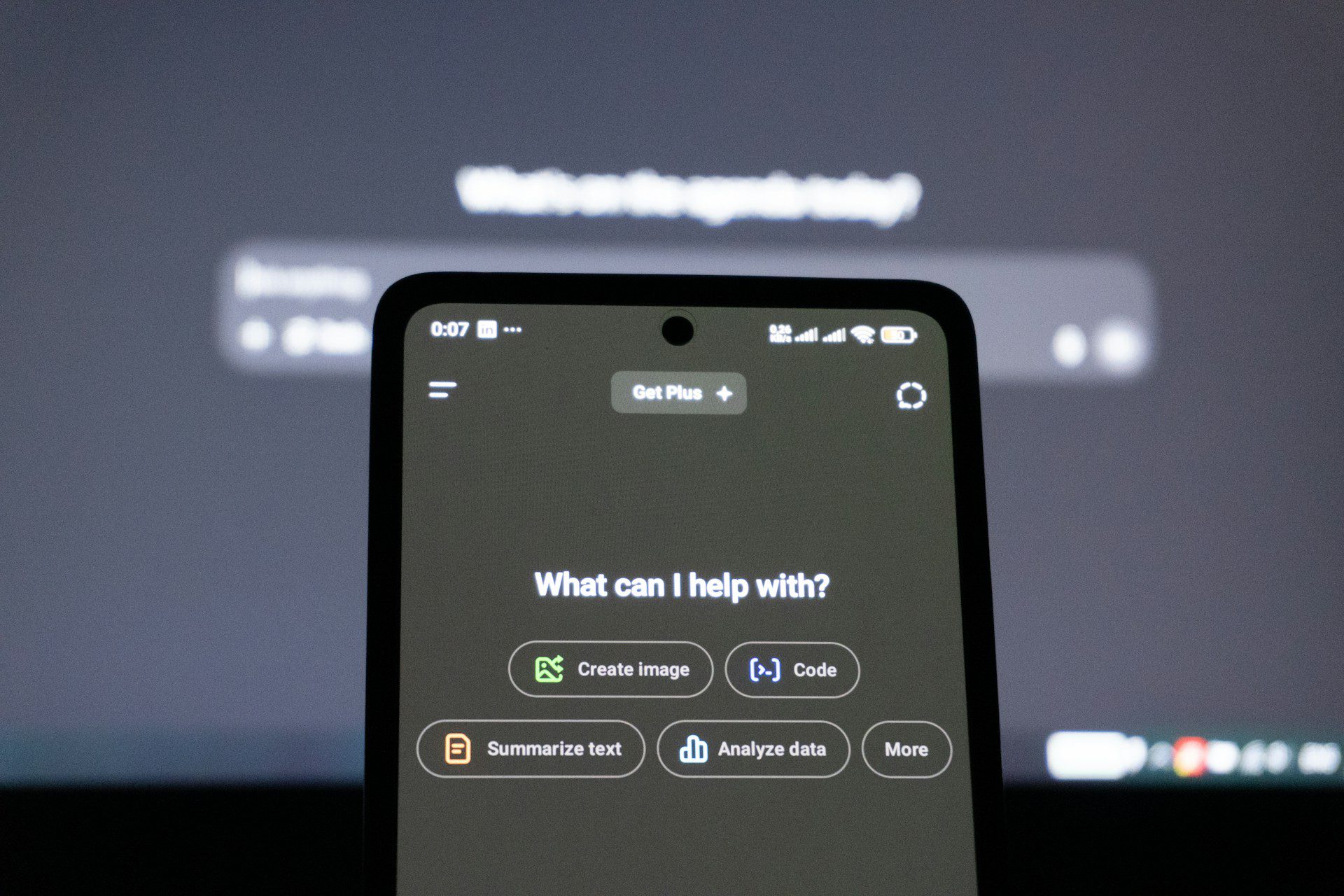
There is also a broader responsibility. As AI becomes more accessible, there is a risk that organizations, and younger generations in particular, rely on it too heavily. Strategy should never be reduced to prompting a tool and accepting the output. True consulting helps clients think for themselves, not delegate their thinking to technology.
The firms that will thrive are those that train people to challenge AI, not follow it blindly. To use it as a sparring partner, not an authority.

AI changes the tools, not the essence of strategy
AI is transforming consulting, but it does not diminish the importance of human consultants.
As analytical work becomes automated, the value of consultants shifts toward leadership, judgment, alignment, and decision-making. Strategy becomes less about producing information and more about guiding organizations through complexity.
The future belongs to firms that combine the best of both worlds: the power of AI-driven analytics and the uniquely human ability to see beyond data, connect people, and make bold choices.
In a world increasingly shaped by algorithms, the human factor is not a weakness, it is the ultimate competitive advantage.
Want to read more about AI? Check out our blog on the key AI trends for 2026.


We love helping ambitious organizations reach new levels of sustainable growth through vision and purpose, strategy and execution, digital tools and go-to-market optimization.